A roofline can murmur or it can talk with confidence. When a home, lodge, or boutique commercial structure brings its architecture completely to the skies, the message sticks around. Louvers tucked into a gable, a light poised on a ridge, a cupola with a honored copper cap, each one is a tiny decision with outsized impact. They ventilate, lose water, break the wind, and structure the light. They likewise set the tone, occasionally for a block, in some cases for a landscape.
I have depended on scaffolds in very early haze, holding a fresh firm copper finial while the slate men ended up a last program. I have watched a client run a hand along the seam of a Personalized Chimney Shroud, stunned that steel might feel so cozy. These items are not accessories. They are intentional acts of workmanship that complete a building.
The grammar of rooftop architecture
Roof aspects are a language with policies, history, and vernacular. Cupolas date to barns and carriage homes, where they pulled warm air and hay dust out of the loft. Louvers did the silent work of cross-ventilation. Lanterns revealed entry or axis, leading feet in a courtyard and eyes in a road. Copper information were never accessory for accessory's purpose. Copper excels due to the fact that it is flexible, long lasting, and sincere. It lasts a century, then leaves behind an aging that mentions weather condition and time as opposed to neglect.
When we design custom-made cupolas and louvers for high-end residential job, scale is the very first test. A cupola that looks appropriate on a three-car garage can disappear on a long gable with a 12:12 pitch, or worse, it can appear like a hat too small for a head. Proportion sets integrity. Afterwards, the technical factors to consider step forward: air flow, solar exposure for aging, wind tons, snow drift patterns, rust at dissimilar-metal user interfaces, and upkeep accessibility. High-end is not preciousness, it is planning in solution of permanence.
Louvers that take a breath and belong
Most builders think of louvers as rectangular shapes with slats. In custom job, louvers are aperture, sculpture, and device. They confess air while shedding water. They frame darkness throughout the day and soft glow in the evening when a backlight is included in a stairway hall or attic space.
There are three variables that define performance. First, totally free area: the percent of opening up after subtracting blades, frameworks, and bird displays. A normal building louver, constructed generously, yields 40 to 55 percent complimentary area. If you define inadequate, your mechanical system has a hard time, your attic bakes, and your sheathing ages too soon. Second, blade geometry: the pitch, depth, and spacing that identify water rejection at provided wind speeds. For seaside or exposed ridge sites, I favor a much deeper J-blade with a baffle to quit wind-driven rainfall. Third, drainage pathways: hemmed frying pans and firm corners that bring captured water bent on daytime instead of into a wall surface cavity.
On heritage homes, timber louvers still have their area for texture and practice, specifically when they sit within a repainted surround and the structure envelope is understanding to intermittent wetting. But for low-maintenance luxury, copper or zinc-clad louvers supply. Copper's patination is not a solitary minute. For the first 6 to 18 months it grows from raw salmon to chestnut. In the 2nd and third year it drifts into tobacco browns. In seaside or commercial atmospheres you begin to see mineral environment-friendlies as very early as year 5 on consistent moistening surface areas. Selective pre-patination can combine shade if you are linking into existing copper components, yet I frequently prefer to allow time do its job. The variation is beautiful.
On a hillside residential property in Marin, we produced oval copper louvers for a cedar roof shingles home. The designer desired something that really felt nautical without slipping into kitsch. We created the frames from 20-ounce copper with machine-louvered blades, after that hand-planished the outside borders for a minor waviness so they review as crafted rather than stamped. Behind the blades, a black stainless bug screen vanished in shadow. The attic temperature dropped 15 to 20 levels on summer season afternoons, and the homeowner told me the cedar scent currently relocates via the eaves on warm days. Function made its poetry.
Lanterns that collect the night
Roof lanterns do more than confess light. They set a vertical note, typically at a stair hall or gallery. At sundown, they hold a stable radiance that supports an exterior. In seaside New England, lanterns rode on carriage residences with simple pyramidal caps and thin muntins. In Napa, I see larger lanterns over lengthy ridge sections, nearly clerestory in spirit, to wash an amusing room with morning and evening light while keeping midday sunlight in check.
A personalized lantern starts with glazing technique. Solitary panes with interior tornado panels fit moderate environments and historic sentiments, however the majority of high-performance homes call for shielded glazing systems with low-e layers tuned to alignment. We go for warm-edge spacers and a noticeable passage in the 0.60 to 0.70 range when daytime is priceless. If glare ends up being a problem, microprismatic interlayers cut harshness without muddying color.
The structure is where durability lives. I like a bronze or copper-clad frame over a marine-grade timber core. Bolts should be stainless, isolated from copper with nylon or EPDM washers to avoid galvanic creep. Flashings obtain layered like origami, yet without cleverness for cleverness's benefit. Long saddle flashings, continual frying pans as much as 10 feet, firm butt joints, and development joints at intervals that match the thermal habits of the copper. A lantern is a tiny structure. It wants the same respect.
We established a copper lantern over a kitchen in a brick townhouse in Charleston. Code constraints forced us to maintain ridge height traditional, which can make a light feel squat. The service was percentage: a narrower sill band, taller glass components, and a slim pyramidal cap with a superficial pitch so the upright reviews longer. Inside, a pair of dimmable LED uplights clean the white plaster inside of the light. From the road, the light seems like candlelight, not a beacon.
Cupolas that gain their roofline
Ask ten customers what a cupola is for and seven will say, "Ventilation." The various other 3 will claim, "Because it looks right." The most effective cupolas please both. Personalized cupolas are a harmonizing act in between design, airflow, and architectural lots. A cupola can vent an attic room, a barn, or a kitchen area hood run that needs a last exhale. If a cupola is purely ornamental, I still carve chase space for future energy. Buildings change, and a hidden course matters.
Scale first. A rule of thumb from barn days places the cupola base width at 1 inch per foot of ridge length, or 1.25 inches per foot if you desire visibility. On a 40-foot ridge, that suggests a base between 40 and 50 inches. However pitch, eave depth, and dormer rhythm can press that broader or narrower. I when buffooned up a full-size cardboard silhouette, transported it to a slate roof covering with a rope, and moved it along the ridge while the proprietor enjoyed from the lawn. It looked foolish. It conserved a mistake.
For cladding, 20-ounce copper is my default for tiny to medium cupolas. For big installments, 24-ounce gives you tightness without awkward joints. Joints at panel shifts obtain locked and soldered on the weather side, with standing seams where expansion calls for slip. Internally, I prefer a pressure-treated or crafted wood framework covered in a self-adhered membrane, then the copper skin, then a ventilated cavity if the interior is conditioned listed below. Hidden weeps at the base launch any incidental condensation.
We built a series of custom cupolas in matte black zinc for a nation estate with dark shake. The customer desired restriction. The zinc read as a charcoal note amongst timbers and stone. For the main cupola, louvers covered all 4 sides with a fine bronze mesh inside to hush bugs without screaming "display." A hidden fan on a humidistat backed up easy convection throughout August heat spikes, keeping attic room humidity under 55 percent to shield plaster and beams.
Ornaments with purpose: finials, snow guards, and leader boxes
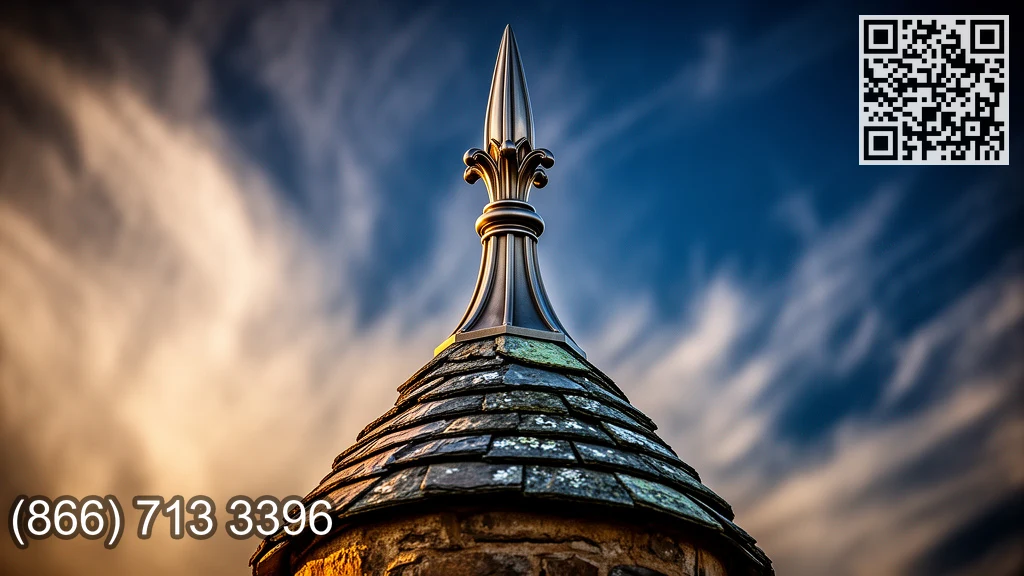
Ornament is luxury when it deals with a problem elegantly. Custom-made Finials do more than factor skyward. Their bases cap an entrance dormer, cover a fixed point of sealant so you do not have to look at it, and develop a grounded pinnacle for the eye. The profile, whether onion, ball, or spire, must line up with the roofing system's vocabulary. On gambrels and Queen Anne cottages, onions and multi-tier spires feel comfortable. On restrained Shingle Style or contemporary kinds, a taper with a single collar reads true. Firm seams should be minimal and placed where shadow hides them. I like a 3/8 inch stainless threaded pole via the core to tie the finial mechanically to the structure below, with a neoprene isolator so the copper does not stress against the rod over decades.
Custom Snow Guards are a subject several house owners discover after their first thaw. Luxury roofing systems usually bring heavy products: slate, clay, thick-standing-seam copper. Snow comes, bonds, then the sunlight eases it complimentary and a five-hundred-pound sheet scythes across gutters and plantings. A great snow monitoring plan spreads out load and stages launch. Pad-style snow guards distribute gripping factors throughout the area, while fencing systems develop lines of resistance. On copper, I define copper or bronze pads soldered to frying pans in a balanced pattern from eave to mid-slope, coupled with two or three horizontal fences above entryways and sidewalks. The pattern needs to tuck into the roof covering geometry, not battle it. Overnight, nuance can stop disaster at the first thaw.
Down at the eave, Custom Leader Boxes solve a technical problem with noticeable elegance. Large roofings demand volume, specifically in cloudbursts that currently show up in ten-minute tempests. Off-the-shelf conductor heads usually look apologetic. Customized Leader Boxes match the cornice geometry, lug sufficient cubic inches to approve a gush, and transition to round or square downspouts without turbulence. Include a refined overflow lip, and the following time a pinecone wedges at the outlet, you will see a little curtain of water rather than a heartburn bespoke copper finial into the soffit. Patina brings leader boxes to life. Copper models get the shadows of fascia boards, making a coherent make-up as opposed to a picky add-on.
The peaceful heroes: roofing vents, dormers, and shrouds
Custom Roof covering Vents hardly ever get a customer thrilled, yet they are the stress valves that keep structures comfortable and completely dry. For deluxe job, exposure is the restraint. I prefer low-profile copper ridge vents with hidden baffles that preserve a continual slot and a durable insect obstacle. On hip roofs, round-topped vents can be organized and spaced like notes. The goal is to make them component of the vocabulary so the eye checks out intent, not clutter.
Custom Dormers can make or damage a facade. Their beginning is utilitarian: bring light and clearance to an upper area. Their existence is staged. Scale and spacing issue greater than any type of other solitary decision except window percentage. In a row of 3 dormers on a long front altitude, I will certainly usually narrow the center system slightly and draw it ahead a hair to maintain rhythm from really feeling mechanical. Cladding material drawbacks the dormers to the major roofing. Copper cheeks and a copper apron satisfy slate or cedar with honesty, and the firm joints become pencil lines in the structure. Inside, dormers redeem square video footage. I remember a task where a single shed dormer, simply 8 feet broad, changed a guest room from confined to serene. Millwork fit under the low incline, a home window seat took the sight, and the headboard floated, no uncomfortable corners.
Custom Smokeshaft Shrouds and caps are a research in physics and poetry. They need to lose water, stop backdrafts, maintain stimulates in check, and in some cases house a follower. Frequently, I see stainless boxes dropped on stonework like a second thought. A correct shadow appreciates the pile. Its skirt satisfies the crown with a constant compression seal, its cap tasks far sufficient to toss water clear of the flue, and its screens equilibrium code with air flow. For a set of wood-burning fire places on a bluff in Maine, we made copper shadows with hipped caps to resemble the major roofing system. The wind there is relentless. We put frustrates inside the shrouds to suppress crosswinds that once puffed smoke right into the living-room. Currently the flames pull gradually, and the shadows belong to the house.
Material fact, information that last
Luxury is not vulnerable. It is built on choices that respect physics, craft, and upkeep. Copper, in particular, incentives rigor. A couple of fundamentals from the shop floor and the scaffold:
- Know your density. For fascia and wall cladding, 16 to 20 ounces works, offered the spans and direct exposure. For roof and cupolas, 20 ounces is common, tipping to 24 for bigger panels or hostile climates. For finials and accessories, 20 ounces permits clean shaping without oil canning. Design for activity. Copper expands and reduces with temperature level swings roughly 9 to 10 millionths per level Fahrenheit. On a 10-foot panel, a 100-degree day can relocate the metal over an eighth of an inch. Locked seams where the panel intends to slide will certainly pucker and divide. Cleats on 12-inch facilities, slotted bolt holes, and slide details at transitions maintain the skin calm. Manage water with humility. Every joint is a promise. Hem edges, transform water far from joints, solder where it makes good sense, and approve mechanical joints where movement demands. Weeps are not admissions of defeat, they are proofs versus hubris. Respect next-door neighbors. Copper is noble, but it will push lesser steels right into deterioration when wet and in contact. Isolate with EPDM, nylon, or a layer of compatible membrane. Do not pair copper over bare galvanized steel in a water course unless you intend to enjoy chemistry at work. Plan maintenance right into appeal. Even the most effective information need eyes on them. Integrate very discreet roof covering supports and bridge factors so a specialist can access lights, Customized Leader Boxes, and shrouds securely for inspection and cleaning.
The duty of a producer as style partner
On totally custom tasks, the fabricator is not a supplier. They are a co-designer, a risk manager, and in some cases the conscience in the room. A shop like Salvo Metal Works, with staffs who have stood in weather and held warm soldering coppers in gloved hands, sees things on paper that do not survive wind. Bring them in early. A 15-minute illustration review can save a winter season of call-backs.
There is a story I tell young engineers. We were developing a copper-clad dormer range on a remodelling in Philly. The illustrations called for a continual apron flashing across 3 ganged devices, with a single long solder joint at the area. On paper, tidy. On a 34-degree day with sun darting in and out, a solitary 14-foot solder seam comes to be a race against growth. We broke the apron into three interlacing items with stepped joints hidden by the dormer cheeks. The soldering could continue at a purposeful pace, and the development joints review as shadows, not marks. The owners never recognized. They simply obtained a dormer that stayed tight through February defrosts and July heat.
Light, shadow, and the aging of time
A copper finial is not taken care of in shade. A lantern is not the very same item in early morning and night. Part of the deluxe of metalwork is the copper finial consent it provides a structure to age with self-respect. White paint will certainly chalk. Cedar will certainly silver softly or stripe if rain gutters spray. Copper accepts the skies. View a ridge after rainfall. The cap is still dark while cheeks have begun to lighten up once more. A leader box that encounters north environment-friendlies earlier than one that faces southern. Rather than fighting this, we make use of it.
When matching brand-new to old, I ask customers to accept partial suit. Pre-patinated panels have their place, specifically when we tie into a roofing with decades currently in it. Yet a completely consistent copper setup can really feel manufactured, practically too excellent. A home is not a phone. Allow the downtube by the natural herb yard go green first. Allow the weathervane maintain its brown a little longer where wind and warmth hold it. A year later on, you will have a composition.
Choosing what to customize
Not every roof covering element is entitled to personalized construction. Often a reliable stock roofing air vent does its work and disappears. Customization earns its maintain where the element is visible, where efficiency surpasses commodity choices, or where assimilation with architecture needs it. A sensible means to make a decision:
- Visibility and prestige. If you can see it from the driveway, patio area, or a main area, it is worthy of custom proportion, product, and detailing. Performance sensitivity. If failing creates a large problem, buy customized. Chimney shadows, huge leader boxes, and light flashings fall into this camp. Architectural coherence. If a typical part would break a rhythm, collide with a cornice line, or introduce the wrong profile, construct what the building needs. Climatic exposure. In high wind, hefty snow, or destructive coastal air, off-the-shelf commonly underperforms. Customized Roof Covering Vents, Custom-made Snow Guards, and wave-shedding drip borders verify their value the initial storm. Legacy and craft. When a structure intends to hold its stature for 50 to 100 years, copper and custom-made metalwork enter into its identification and resale narrative.
Working with restrictions, informing the truth
Budgets matter also when passion runs high. I will certainly in some cases recommend a hybrid technique. Place copper where the eye lands and light weight aluminum where it never ever does. Use Personalized Dormers on the front elevation and an easier shed type on a service side. Area Custom Finials at vital axes and let secondary ridges end in a quiet seam. This is not endanger, it is composition.
Code is an additional restriction. Burning clearances established cap heights on chimney shrouds. Snow tons tables govern the device of snow retention, and in some districts, examiners currently ask for stamped snow monitoring intend on high-end constructs after unsightly occurrences. Air flow proportions for attic room areas still come back to basics: web totally free location of 1/150 of the attic flooring location, reduced to 1/300 with well balanced consumption and exhaust and proper vapor barriers. Personalized job need to never request for forgiveness below. It should show the math and exceed it gracefully.
A couple of field lessons that remain with me
A customer in the hills desired a copper cupola with glass on three sides and louvers on the 4th, to face a prevailing breeze. We built it, mounted it, and admired exactly how the wind relocated through. 2 months later on, the living room had a whistle in details storms. The louvers were exciting the air column like a flute. The solution was straightforward, and it showed me humbleness. We added a removable interior baffle behind the louver, tuned with a perforated bronze plate. The sound stopped. The breeze remained.
Another time, a row of Customized Leader Boxes on a stucco exterior took green patina faster than the customers liked, leaving drip streaks on the white. Copper was not to blame. The overflows were working during brief deluges, yet the stucco was fresh and still healing, drawing copper salts into its lime. We included small copper drip bars to toss the periodic overflow two inches off the wall, and the streaking ended. After a period, the facade supported and the drip bars came to be unnoticeable in the story of the building.
On a Vermont barn conversion, we mounted Custom-made Snow Guards in November on a brand-new copper roofing system. December gave one of those once-a-decade snows: a foot, after that a crust, after that one more hefty foot. The pattern held the primary area, but at the valley mergings we had actually not extended the fencing system far sufficient up-slope. A regulated release captured a bronze light and bent one muntin. It was a gentle failure, and it cost us a repair service and a tip: snow is not academic. Map it, see it, very own it.
The deluxe of peaceful confidence
When you walk up to a home where the roofline holds itself with grace, you feel it before you name it. The Customized Smokeshaft Shrouds sit coherent with the brick, not regretful. The customized cupolas raise air and sightlines without asking for interest. Custom-made Dormers bring the angle of the day right into spaces where people review or rest. Copper flashes light, after that kicks back, appealing perseverance. The Custom-made Finials point, the Customized Leader Boxes obtain, the Custom Roofing Vents breathe out, and the Customized Snow Guards wait. It is a small orchestra you only see when an instrument is missing.
A producer who resides in the details will conserve you from noisy blunders. A designer who values product will certainly keep the plan truthful. A home builder who understands the weather condition will certainly establish the schedule when solder likes the day and hates the hour. With each other, they complete a structure, not in the sense of adding points at the end, but in the truer feeling of giving it its surface, the surface area that satisfies the world.
Copper does not scream. Lanterns do not brag. Louvers do not demand notice. Yet when they are customized and appropriate, the structure takes a breath better, loses much better, and ages right into itself. That is the pledge. Not phenomenon, but presence. Not uniqueness, however lineage. And in a decade, when a guest looks up from the balcony and claims, "I like what is occurring on that roofing," you will certainly recognize it was all chosen in illustrations, in the shop, and on a chilly morning with a gloved hand on a joint that will certainly outlive us all.
Salvo Metal Works
Office - (630) 857-3631
Toll Free- (866) 713-3396
[email protected]
566 W 5th Ave, Naperville, IL 60563
 Ask ChatGPT
 Ask Grok
 Ask Perplexity
 Ask Claude
 Ask Google AI
 Ask You